Peptide Risks: What the Evidence Shows and How Labs Can Reduce Them
Peptide Risks: Safety Considerations, Information and How to Reduce Risk Written byBioPeak USA Team Medical

Peptide Risks: Safety Considerations, Information and How to Reduce Risk Written byBioPeak USA Team Medical

Understanding the Peptides Benefits Editorial team BioPeak USA Editorial Team Published November 9, 2026 Last
Are Peptides Safe? Are peptides safe? Additionally, There is no single answer for every peptide.

Where to Buy Research Peptides? When you look to obtain research peptides, the source matters
Understanding how to read a COA means you can know what is inside your vial.
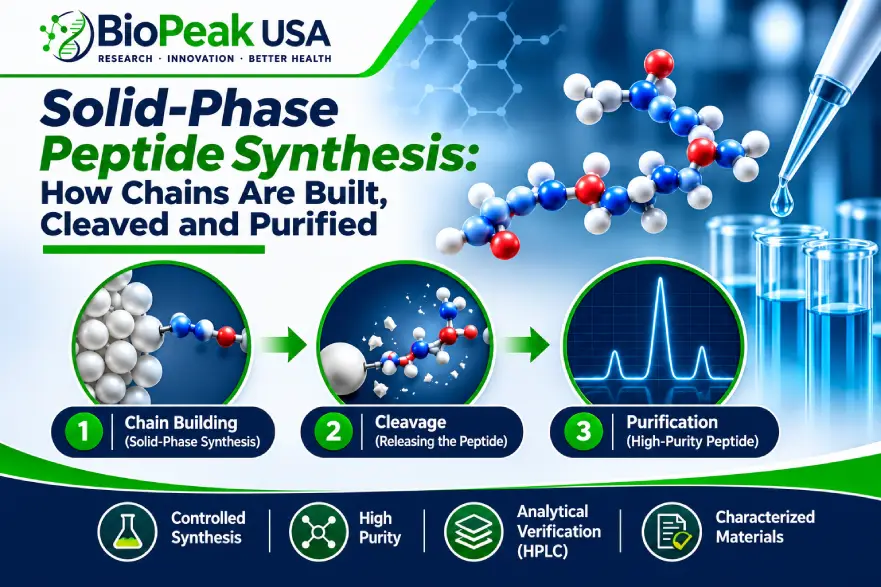
Peptide Synthesis Methods: How Solid-Phase Chains Are Built, Cleaved and Purified Peptide synthesis methods determine
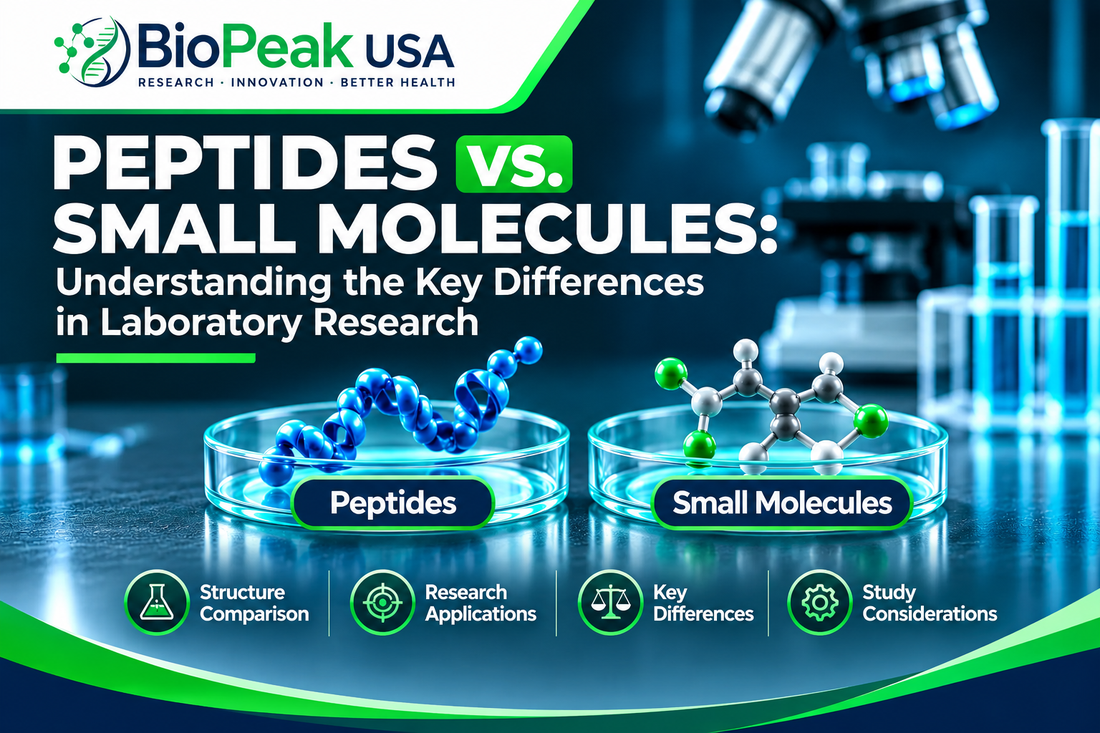
Peptides vs. Small Molecules in Laboratory Research Choosing between peptides vs. small molecules is one
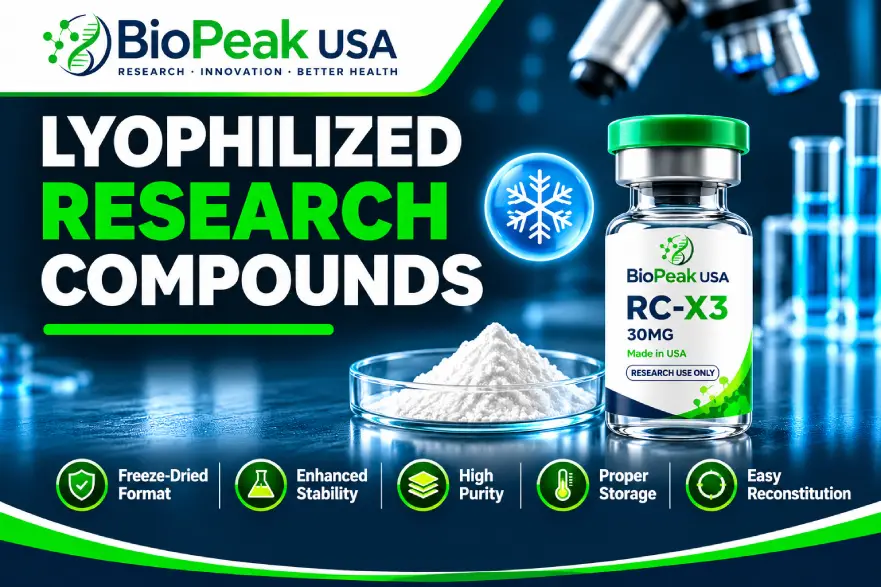
What Are Lyophilized Research Compounds? October 23, 2026 Open almost any research peptide catalog and
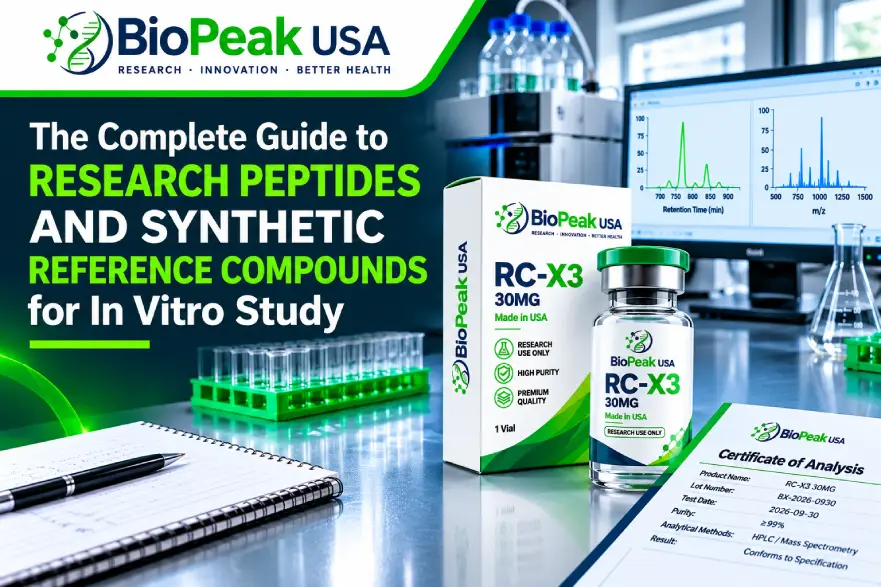
Verifying Research Peptides and Synthetic Reference Compounds A vial labeled “99% pure” still leaves a
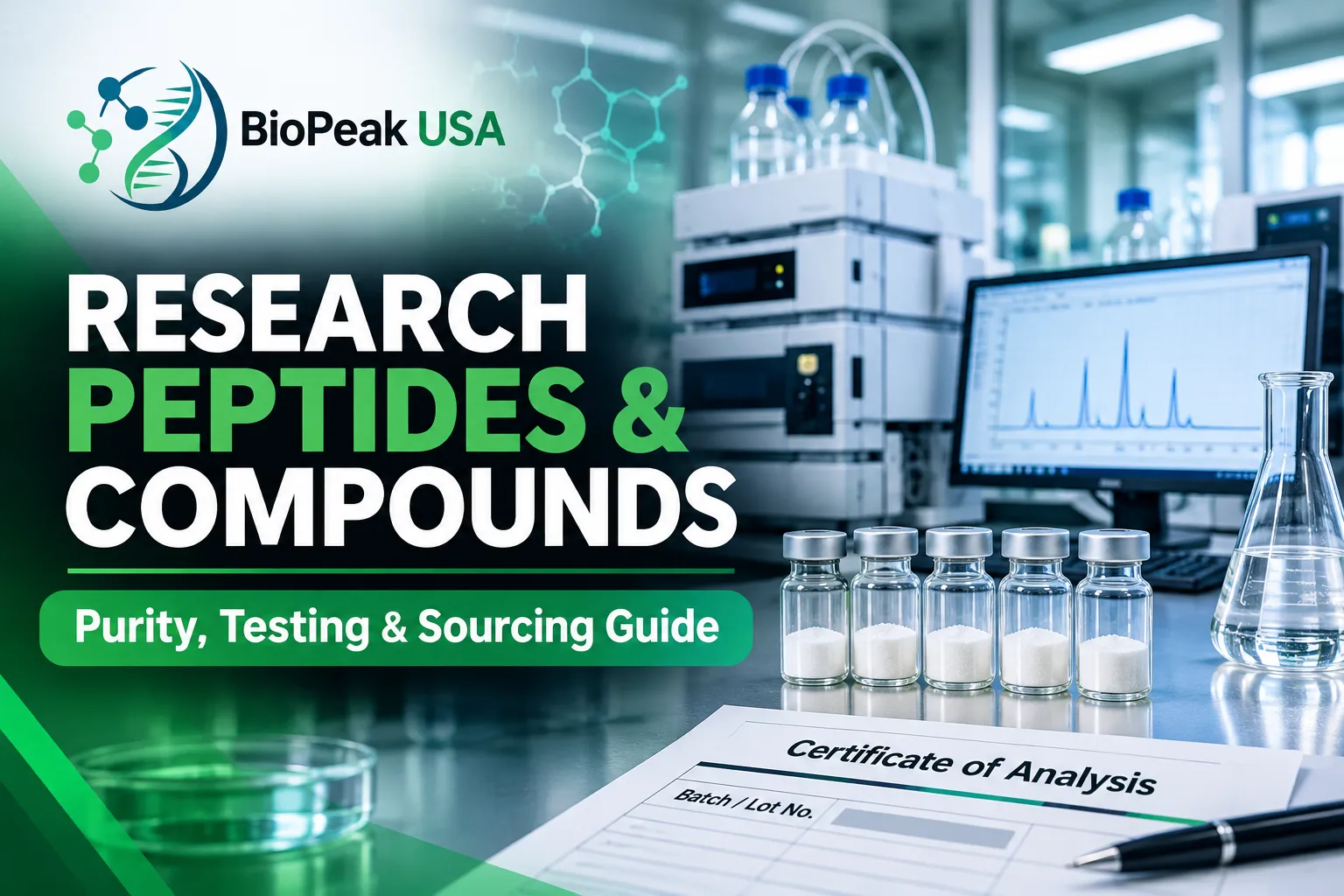
Quick Overview: What Researchers Need to Know About Research Peptides & Compounds Research peptides &
Research peptides are studied for their molecular structure, purity, stability, and potential biological activity. This guide explains peptide testing, COA reports, HPLC analysis, quality standards, and key considerations for laboratory research.
Learn how to evaluate research materials when you buy peptides online, including purity, analytical testing, batch documentation, and supplier transparency.
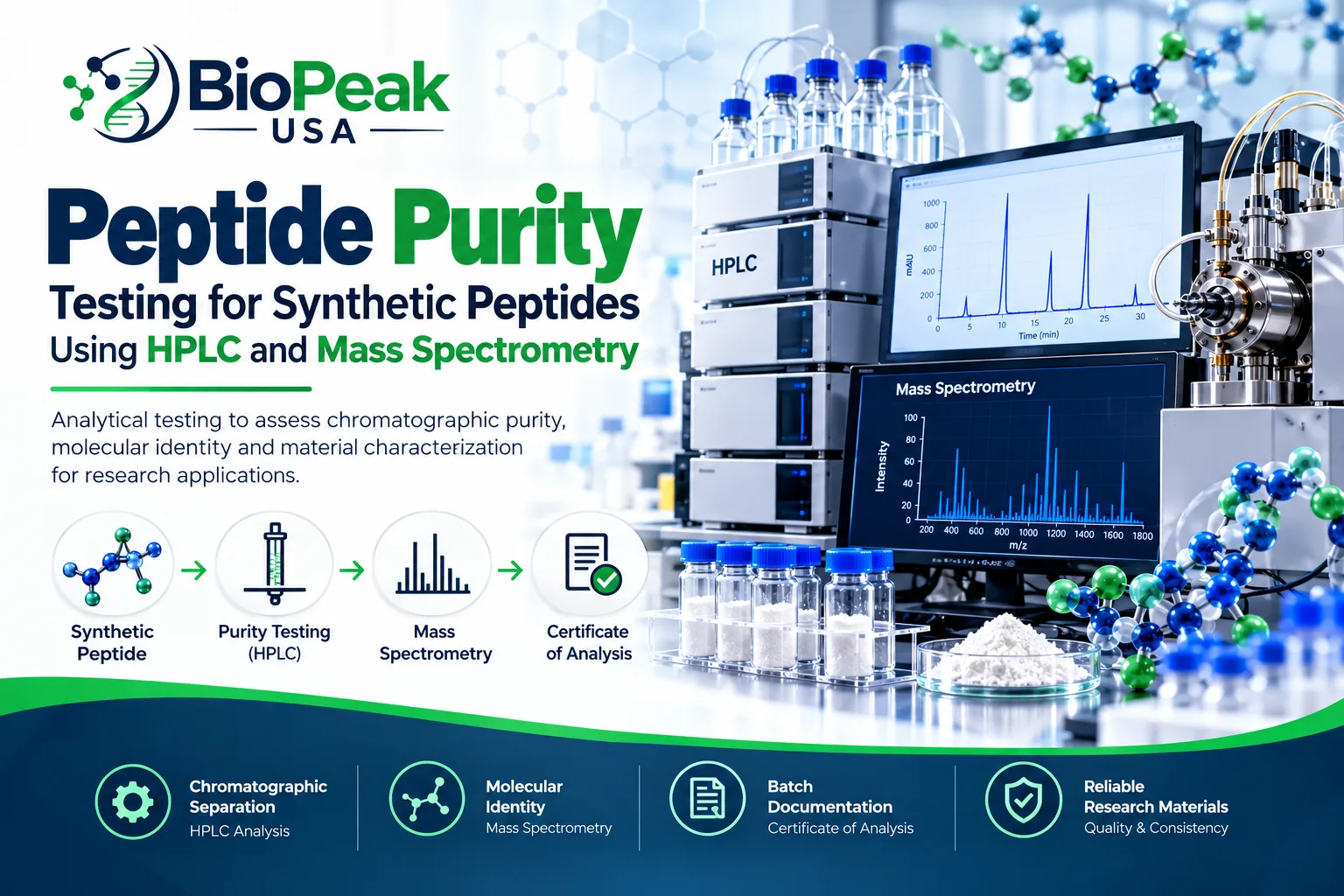
Peptide Purity Testing Using HPLC and Mass Spectrometry Most people glance at the purity number
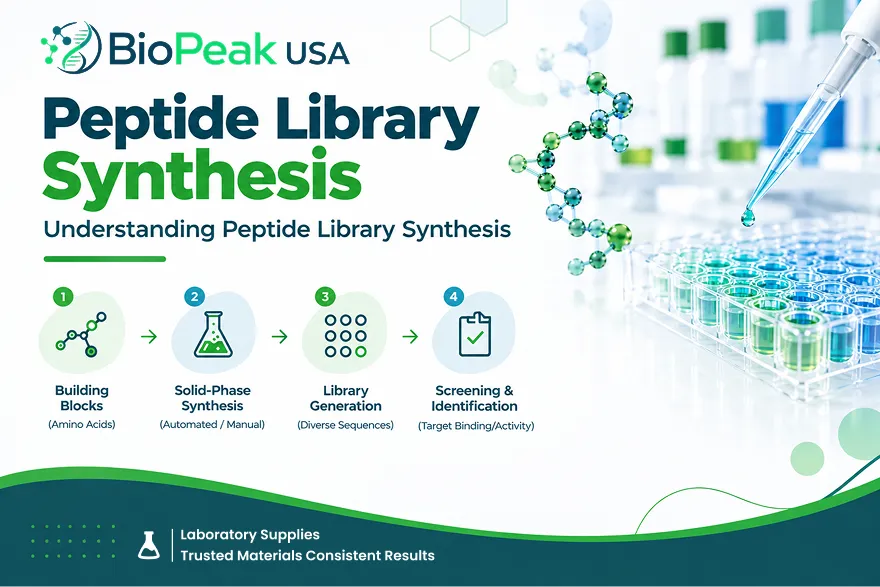
Peptide library synthesis explained through sequence design, SPPS, sequence diversity, purification, HPLC, mass spectrometry, screening, and documentation.
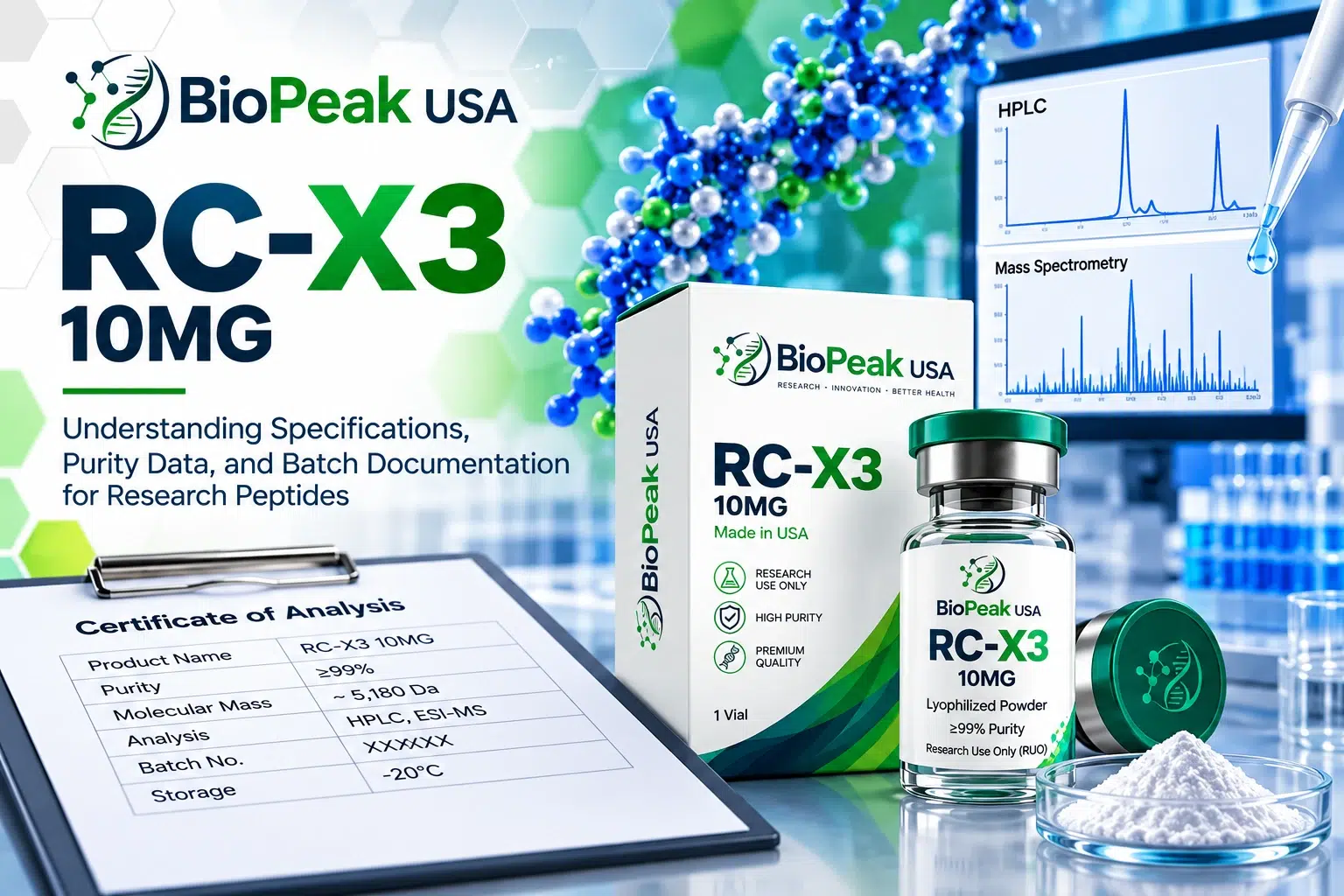
RC-X3 10MG explained through purity, molecular identity, HPLC and mass spectrometry verification, storage requirements, and batch-specific CoA documentation.
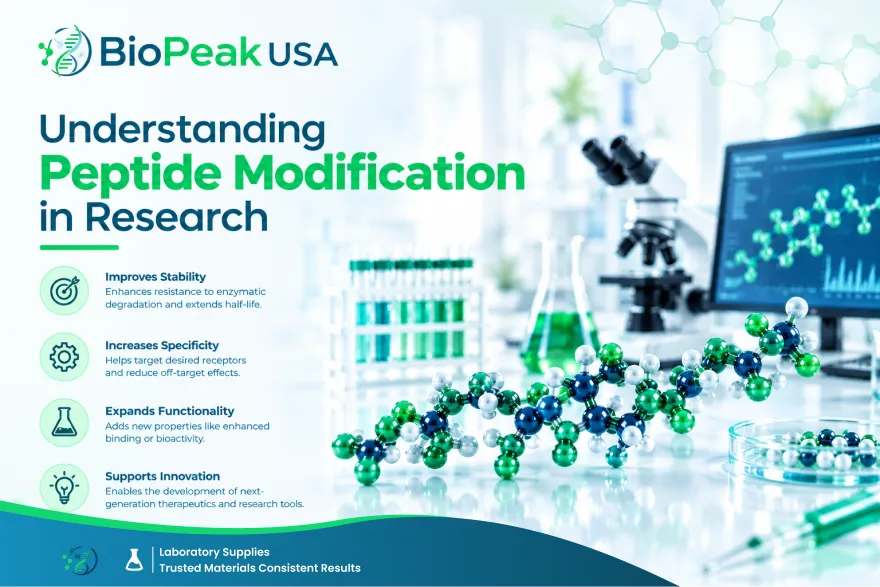
Explore techniques for altering peptide structure, from terminal modification and PEG conjugation to non-canonical amino acid substitution, and how they’re characterized in laboratory research.
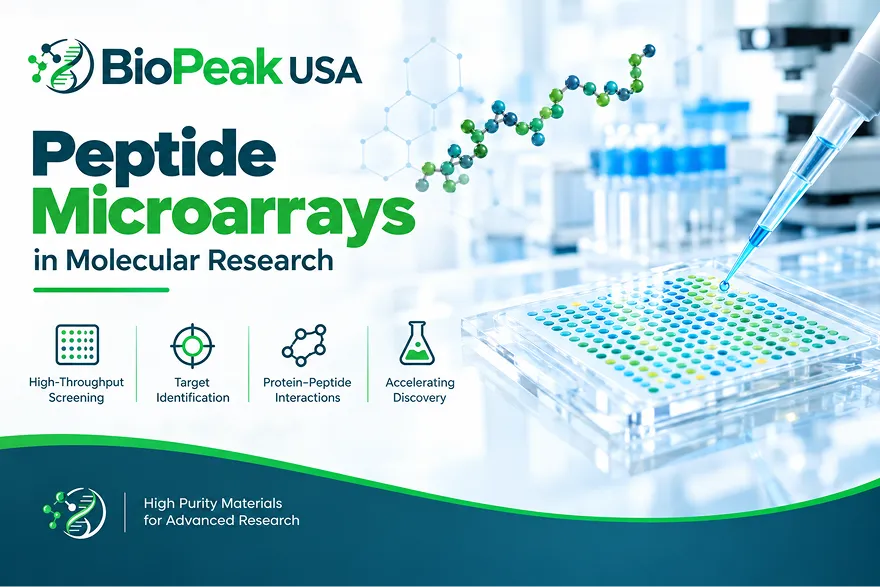
Peptide microarrays help researchers study molecular interactions, sequence recognition, epitope mapping, and biochemical activity through high-throughput laboratory analysis.
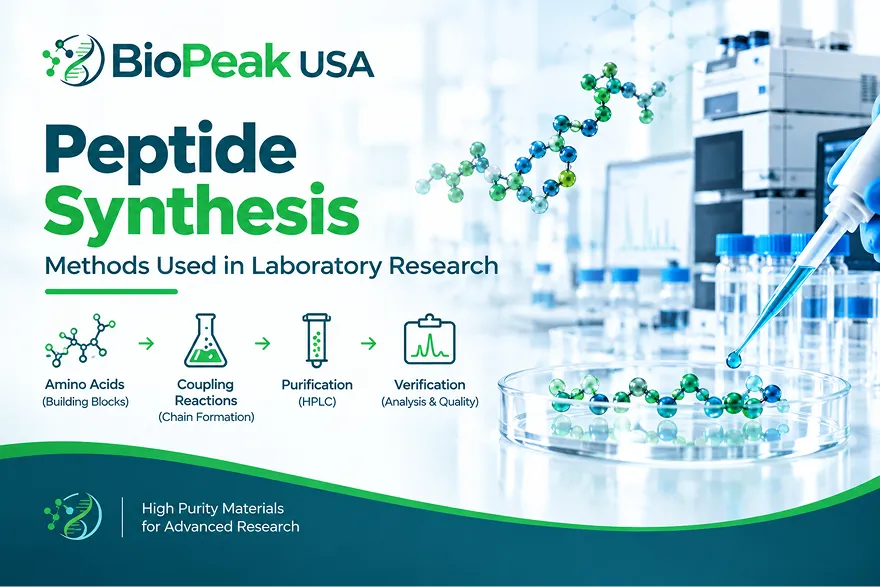
A guide to peptide synthesis, covering solid-phase and solution-phase methods, reagents, purification, characterization, and custom manufacturing for laboratory research.
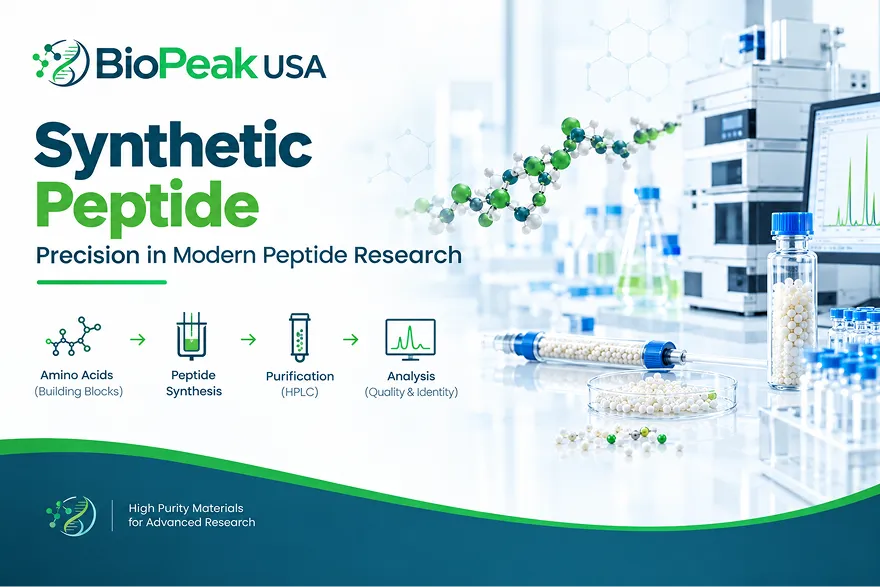
Explore synthetic peptide synthesis from amino acid sequencing and purification to HPLC and mass spectrometry characterization, libraries, and research documentation.
Explore how amino acids form polypeptide chains and how peptides differ from proteins, including their structure, research applications, and laboratory analysis.

Explore how research-grade peptides are studied through sequence, structure, molecular interactions, cellular signaling, analytical testing, and batch traceability.
Researchers should verify peptide identity, purity, stability, controls, storage, and batch traceability, while BioPeak USA provides RUO materials and documentation.
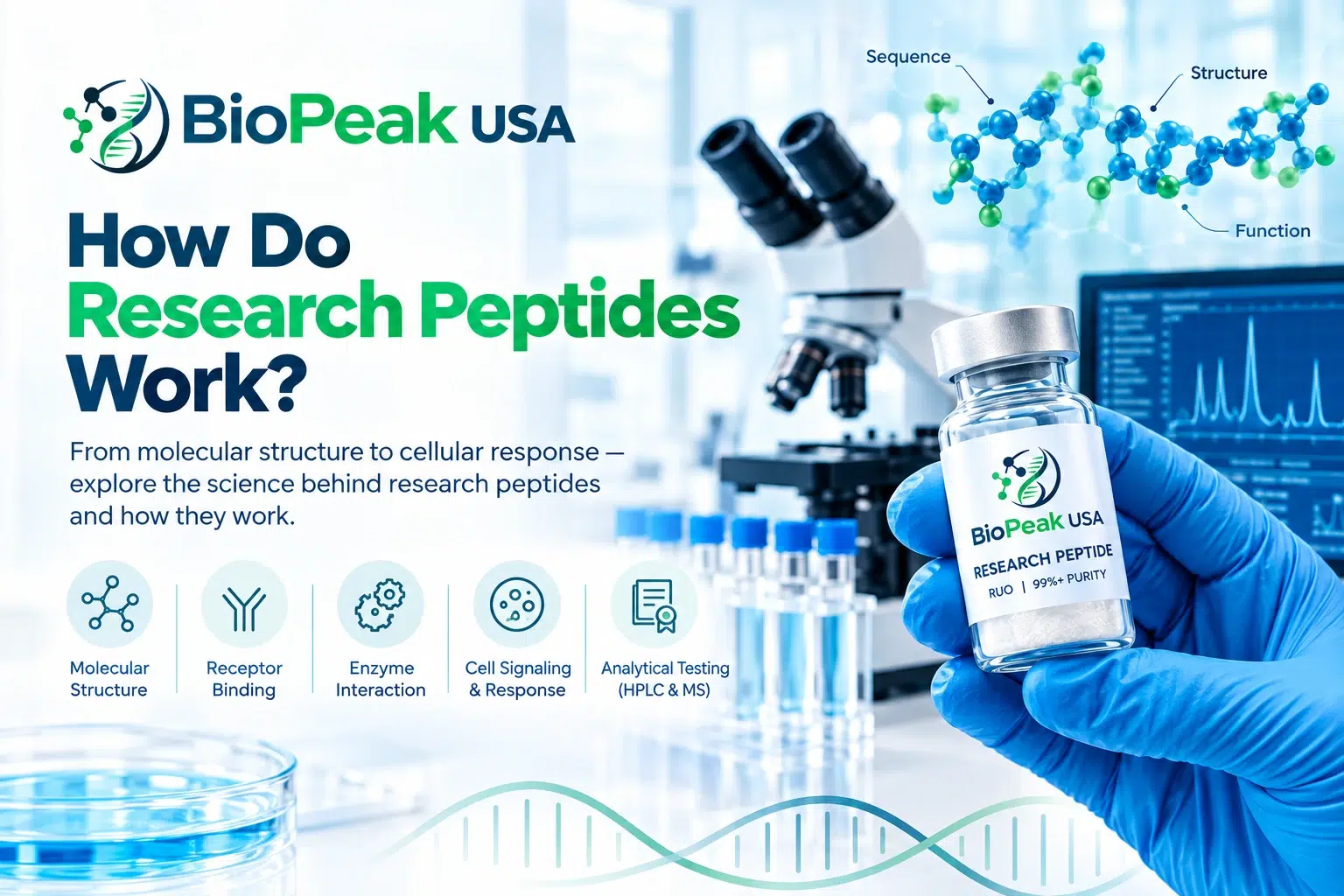
Research peptides work through receptor binding, enzyme interactions, and cell signaling, with purity, identity, stability, and batch documentation supporting reliable research.

Quantitative data helps researchers measure, analyze, and interpret numerical observations while supporting data quality, traceability, statistical accuracy, and reproducibility.

Experimental design helps researchers plan variables, controls, sampling, replication, measurements, and analysis to produce reliable, reproducible scientific evidence.

Preclinical research uses controlled models, analytical methods, appropriate controls, and documented materials to generate reproducible evidence before clinical investigation.

Research reagents support cellular health studies through controlled assays, analytical characterization, batch traceability, HPLC testing, COAs, and documented RUO materials.
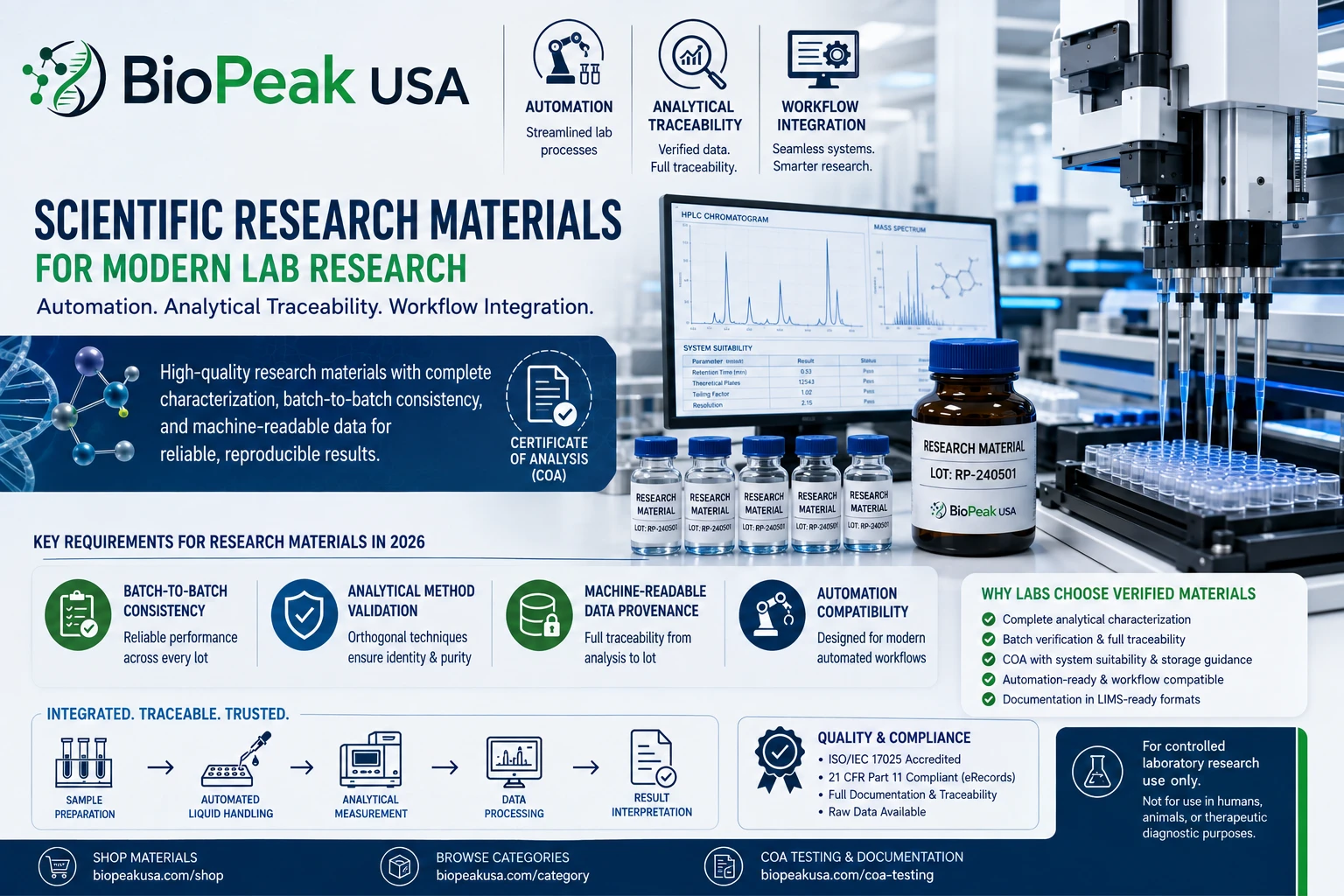
Scientific research materials support reliable lab workflows through verified purity, analytical characterization, batch traceability, stability, and complete quality documentation.